

This site is no longer active!
If you are the owner, you must reactive this site for it to be published again
or contact us at support@rebolthq.com

If you are the owner, you must reactive this site for it to be published again
Discover how to fix a tripping circuit breaker at home. Follow our guide to diagnose issues, fix short circuits, or replace the breaker safely.
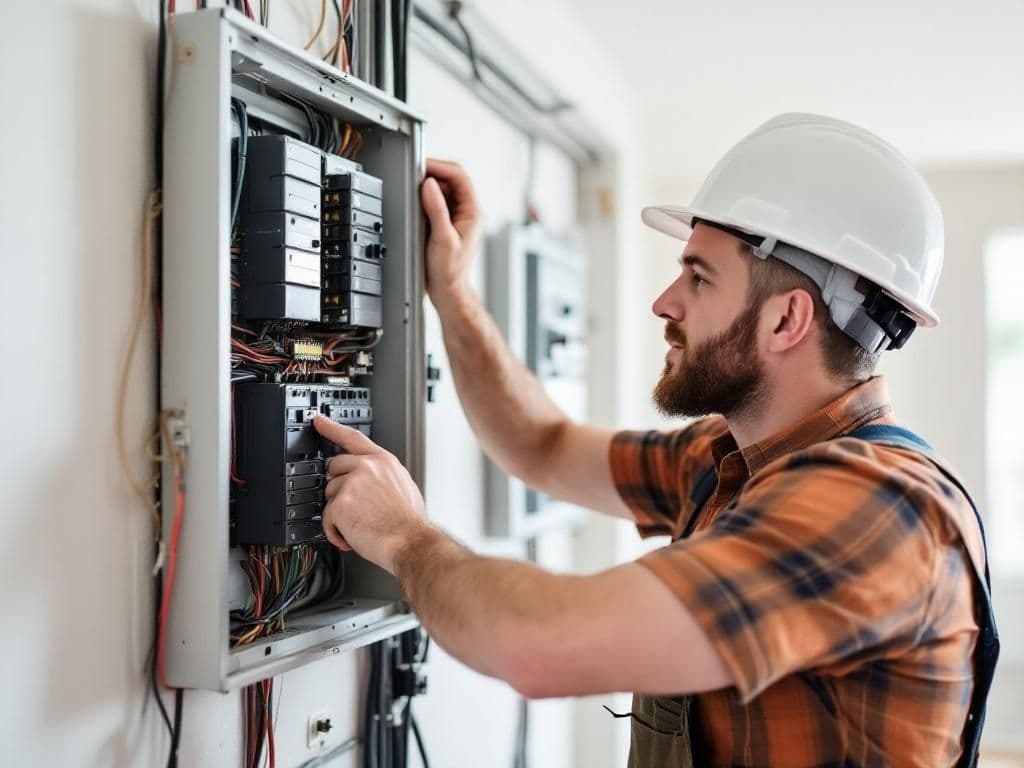
One of the most common electrical issues homeowners face is a tripping circuit breaker. Understanding how to diagnose and resolve this problem can save you time and unnecessary expenses. This comprehensive guide will walk you through how to fix a tripping circuit breaker at home.
Before delving into the process, it's crucial to understand what a circuit breaker is and its role in your home's electrical system. A circuit breaker is a safety device designed to protect your home's electrical circuit from damage caused by overcurrent or short circuit.
When it detects a fault, it automatically trips or breaks the circuit, cutting off the flow of electricity to the affected area. If your circuit breaker is frequently tripping, it's a sign of an underlying problem that needs to be addressed.
Screwdriver
Wire tester
Replacement circuit breaker (if necessary)
Fixing a tripping circuit breaker typically takes about 1-2 hours, depending on your familiarity with your home's electrical system. If a replacement breaker is needed, it can cost between $20 to $40 on average.
Go to your electrical panel and look for the breaker in the "off" position or in a position different from the others. This is likely the tripped breaker.
Turn off all the devices and appliances connected to the problematic circuit. Then, flip the breaker back to the "on" position. If it stays on, the issue may have been a temporary overload. If it trips again, there's likely a more serious issue.
Turn off the breaker and unplug all devices on that circuit. Turn the breaker back on. If it still trips, you may have a short circuit. This is where a good wire tester comes in handy.
If all else fails, the breaker itself may be faulty. In this case, you'll need to replace it. Remember to turn off the main power supply before attempting to replace the breaker to avoid electric shock.
Always turn off the main power supply before working on your home's electrical system.
Use insulated tools to protect yourself from electric shock.
Never attempt to repair electrical issues if you're not confident in your abilities. Electricity is dangerous and can cause serious harm or even death if not handled correctly.
Fixing a tripping circuit breaker is a task that you can undertake on your own with a little knowledge and the right tools. However, if you're unsure about any step in the process, it's best to consult with a professional electrician.