

This site is no longer active!
If you are the owner, you must reactive this site for it to be published again
or contact us at support@rebolthq.com

If you are the owner, you must reactive this site for it to be published again
Learn to safely troubleshoot minor home electrical issues with this DIY guide. Identify common problems, tools you'll need, and safety tips.
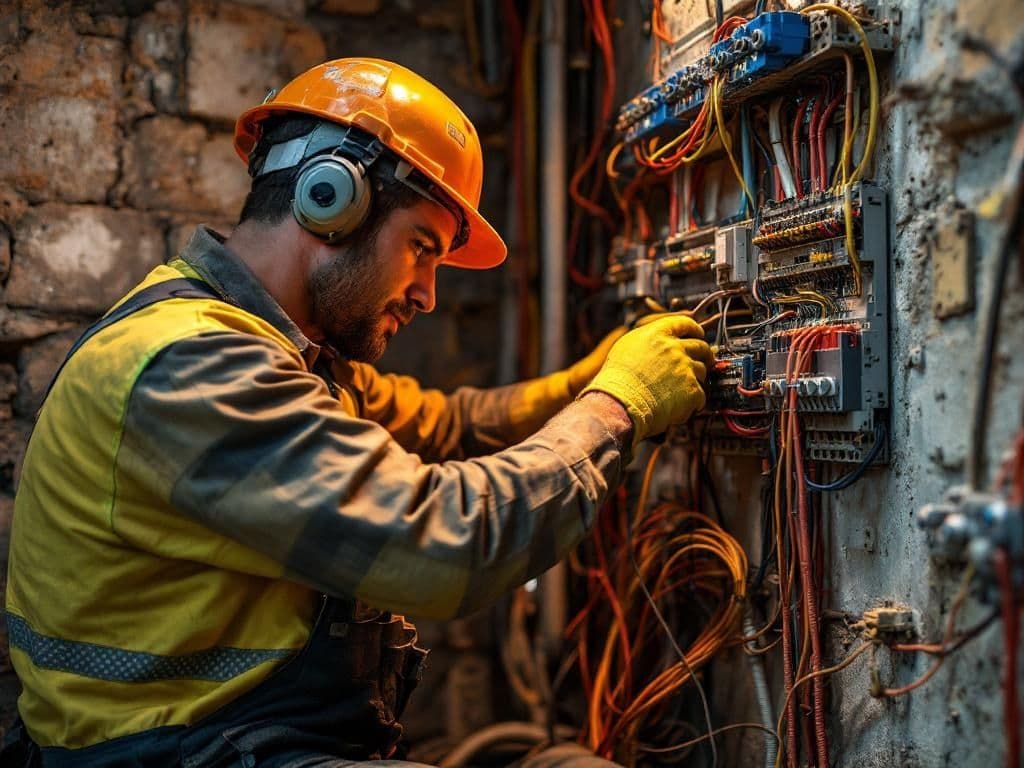
Electrical problems can occur at any time, and while some require the expertise of a professional electrician, there are a few you might be able to troubleshoot yourself. This guide will help you identify and fix minor electrical issues safely and efficiently.
Before you start troubleshooting, it's essential to understand the basics of your home electrical system. It involves three main components: the service panel, circuit breakers, and circuits or wiring.
Here is a list of tools you'll need:
Voltage Tester: To check if power is flowing through a wire or device.
Insulated Screwdriver: For safe working around electricity.
Wire Strippers: To strip the insulation from the ends of wires.
Needle Nose Pliers: For bending and snipping off wire ends.
Now let's look at some common electrical problems and ways to troubleshoot them.
Flickering lights are usually caused by a problem with the light bulb. Try replacing the bulb. If the problem persists, it could indicate a loose or faulty wire and might require professional help.
Electrical surges can be caused by power lines, faulty appliances, or bad electrical wiring. Try disconnecting any cheaply made devices or powerboards from the outlet to see if this prevents the surges. Note: Frequent surges can damage the electrical components in your home, so it's important to address this problem promptly.
Overloading happens when you're drawing more electricity than a circuit can safely handle. Signs of overloading include dimming lights, frequently tripped circuit breakers, or outlets that are warm to the touch. To prevent overloading, avoid using multiple high-wattage appliances on the same circuit.
Always turn off the power at the main switch before you start any electrical work.
Use tools with insulated handles.
Never attempt to fix any electrical problems if you're not confident of your ability. When in doubt, consult a professional.
While it's possible to troubleshoot minor electrical issues at home, always remember that safety comes first. If you're unsure about any aspect of the process, seek professional help. Remember, it's better to be safe than sorry.