

This site is no longer active!
If you are the owner, you must reactive this site for it to be published again
or contact us at support@rebolthq.com

If you are the owner, you must reactive this site for it to be published again
This guide helps you tackle basic electrical repairs like replacing light switches, fixing outlets, and more with safety tips included. Ideal for homeowners.
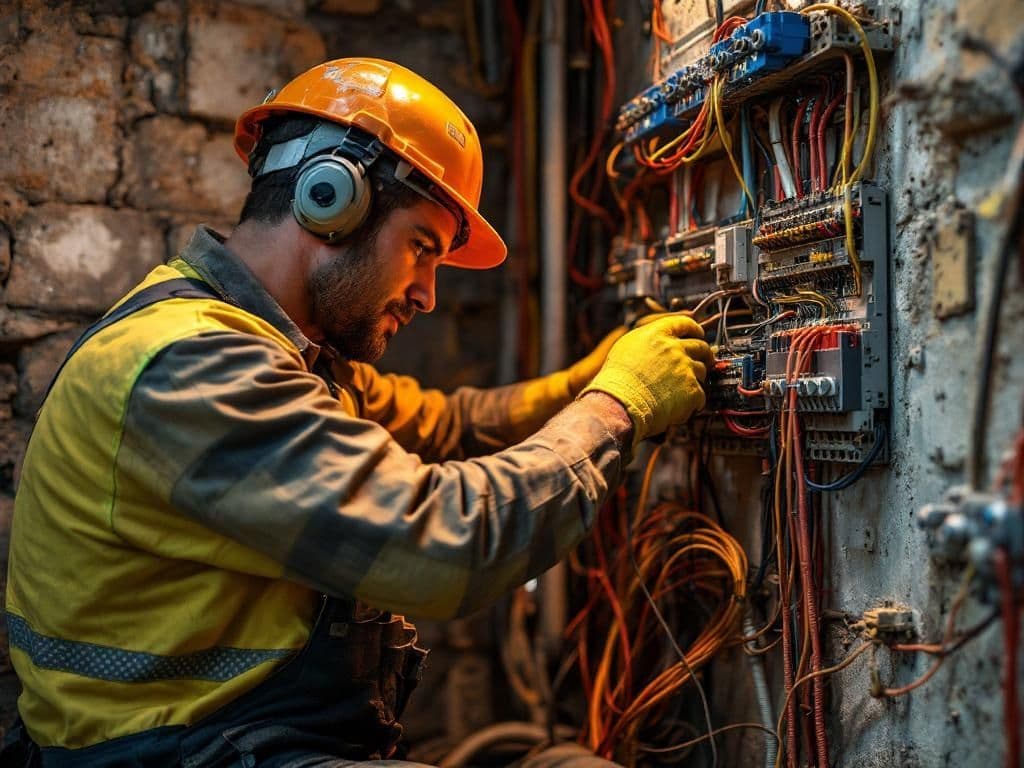
If you have a few basic electrical problems around the house, this detailed guide will help you fix them yourself. Remember, safety should always be your top priority. If a task seems too complex, it's best to consult a professional electrician.
Switches wear out over time, leading to flickering lights or other issues. Here's how you can replace a light switch yourself:
Screwdriver
Voltage tester
New light switch
Wire strippers
30 minutes to 1 hour.
Around $5 to $10 for a new light switch.
First, switch off the power from your home's main electrical panel.
Remove the switch cover using a screwdriver.
Use a voltage tester to ensure there's no power in the wires.
Disconnect the wires from the old switch.
Connect the wires to the new switch.
Reinstall the switch cover.
When an outlet stops working, it can be due to a circuit breaker issue or a problem with the outlet itself. Here's how you can fix a non-working outlet:
Screwdriver
Voltage tester
New outlet (if needed)
1 to 2 hours.
Around $1 to $5 for a new outlet.
First, switch off the power from your home's main electrical panel.
Remove the outlet cover using a screwdriver.
Use a voltage tester to ensure there's no power in the wires.
Disconnect the wires from the old outlet.
Connect the wires to the new outlet.
Reinstall the outlet cover.
Circuit breakers protect your home from electrical overloads and short circuits. If a circuit breaker frequently trips, it may need replacement. Here's how you can replace a circuit breaker:
Screwdriver
Voltage tester
New circuit breaker
1 to 2 hours.
Around $15 to $40 for a new circuit breaker.
First, switch off the power from your home's main electrical panel.
Remove the panel cover using a screwdriver.
Use a voltage tester to ensure there's no power in the wires.
Disconnect the wires from the old circuit breaker.
Connect the wires to the new circuit breaker.
Reinstall the panel cover.
Always switch off the power from your home's main electrical panel before starting any electrical repair.
Use a voltage tester to ensure there's no power in the wires you're about to work with.
Wear rubber-soled shoes and use insulated tools for added safety.
Consult the National Fire Protection Association's electrical safety tips for more details.
With the right tools and precautions, you can perform basic electrical repairs at home. However, for complex issues, you should seek the help of a professional electrician to ensure safety and efficiency. Remember, working with electricity can be dangerous if you're not adequately prepared or trained.